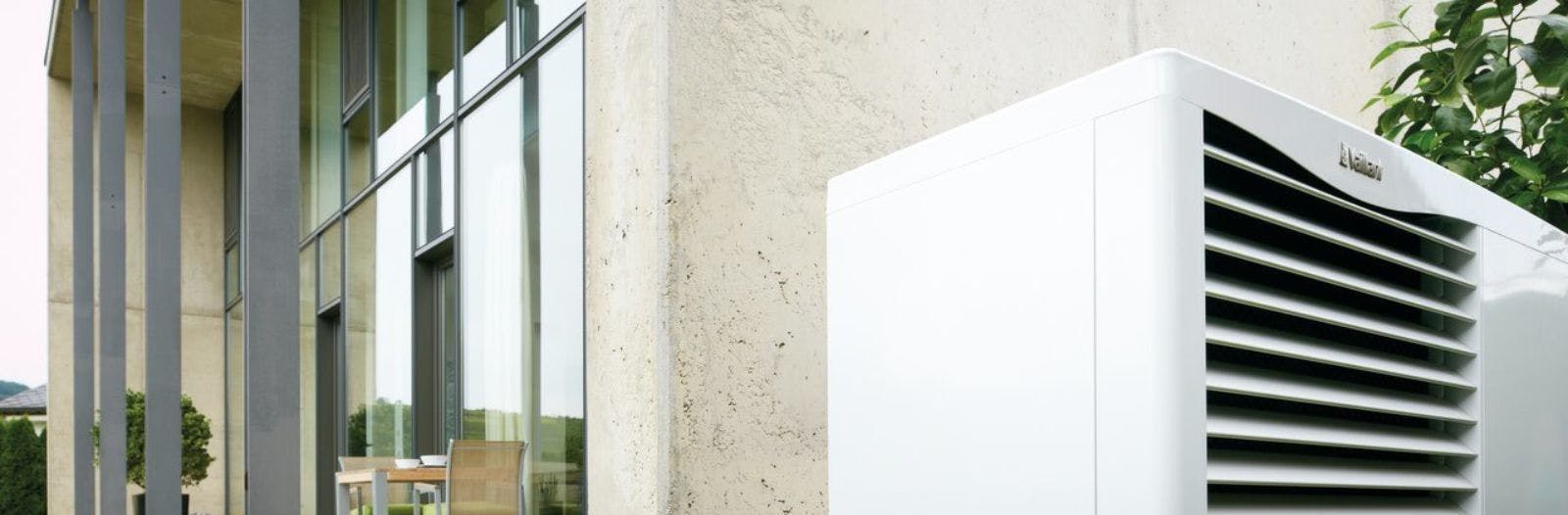
A heat pump installation is a major decision that can shape how your home feels and performs for many years. While heat pumps offer reliable, low-carbon heating when installed correctly, problems often start long before the system is switched on. Poor advice, rushed surveys, or unrealistic promises can all lead to disappointing results. Understanding the most common red flags helps you avoid costly mistakes and ensures your investment delivers the comfort and efficiency you expect.
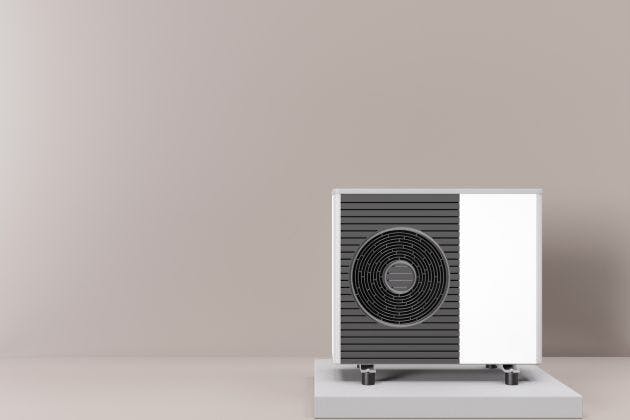
6 Heat Pump Installation Mistakes to Avoid
1. No Proper Heat Loss Calculation
A full heat loss calculation is the foundation of any successful heat pump installation. This assessment measures how much heat your property loses through walls, floors, roofs, windows, and ventilation. Without it, the system may be oversized or undersized, both of which cause problems. An undersized unit may struggle to heat your home in colder weather, while an oversized system can cycle inefficiently and increase running costs over time.
2. Promising One Size Fits All Systems
Every home in Portsmouth and Hampshire has its own characteristics, from modern builds to older properties with varying insulation levels. An installer recommending the same heat pump solution for every property may not be considering these differences. A suitable system should be selected based on your home’s layout, insulation, and heating demand, not convenience or stock availability.
3. Ignoring Existing Radiators and Pipework
Heat pumps work best with larger radiators or underfloor heating due to their lower operating temperatures. If your existing radiators and pipework are not assessed properly, the system may struggle to distribute heat evenly. In some cases, upgrades are required to achieve comfortable room temperatures. Skipping this step often leads to cold spots and homeowners feeling that the heat pump is not performing as expected.
4. Unclear or Over-Simplified Running Cost Claims
Running costs vary depending on how well the system is designed and how the property is used. Be cautious if projected savings are explained without detail or appear too good to be true. Electricity tariffs, insulation quality, household routines, and system controls all affect costs. A professional installer should provide realistic expectations and explain how to manage usage efficiently.
5. Limited Discussion Around Controls and Zoning
Controls play a major role in how a heat pump performs day to day. Poor control setup can result in wasted energy or inconsistent temperatures across the home. If zoning, thermostats, and scheduling are not clearly explained, it may indicate a rushed approach. Well-configured controls allow different areas of the home to be heated efficiently and help maintain stable indoor temperatures.
6. No Clear Aftercare or Maintenance Support
A heat pump is not a fit-and-forget system. Ongoing servicing, performance checks, and occasional adjustments help maintain efficiency and reliability. An installer who does not discuss aftercare, warranties, or future support may leave you without guidance if issues occur. Long-term performance relies on both correct installation and continued professional support.
Heat Pump Installation Support Across Portsmouth and Hampshire
Looking for reliable guidance on heat pump installation. GEO M&E Ltd provides thorough property assessments, honest system recommendations, and carefully planned installations designed for long-term performance. Call us on 0239 238 8799 or fill out our contact form to schedule a consultation and discuss your heating goals with our experienced team.