When a boiler stops working without warning, it can be stressful, especially if it happens on a cold morning or when you need hot water most. The good news is that many breakdowns are caused by simple issues you can safely check at home. This guide walks you through practical next steps, what to avoid, and when it is time to call an engineer.
10 steps to take when your boiler cuts out
Step 1: Make sure the situation is safe
Check the area around the boiler and confirm that there is no burning smell, visible smoke, or signs of water leaking onto electrical components. If there is a leak, switch off the boiler and isolate the water supply if you know how, then place towels or a container to reduce further damage. Even a small drip can cause the boiler to cut out if it affects electrical parts, so it is worth taking seriously.
If you have a carbon monoxide alarm sounding, treat it as an urgent matter. Turn the boiler off, ventilate the room, and leave the property. Carbon monoxide is dangerous, and the priority is always your safety rather than restoring heating quickly.
Step 2: Check the boiler pressure properly
If your boiler has a pressure gauge or a pressure reading on the display, look at it when the system is cold. Most combi systems typically sit around 1.0 to 1.5 bar when cold, and many boilers lock out if it drops too low. If it is below the minimum, the boiler may show a low pressure error and refuse to run.
Only top up the pressure if you know exactly how your filling loop works and the boiler manual supports it. Increase pressure slowly and stop as soon as you reach the recommended level. If the pressure keeps dropping again over the next day or two, that usually points to a leak or a faulty component, and it needs an engineer.
Step 3: Try a single reset, then wait and watch
If your boiler is showing a fault code or lockout message, one reset is often worth trying after you have checked power, thermostat settings, gas supply, and pressure. Press reset once and give it a few minutes to go through its ignition sequence. Boilers can take a little time to run checks before they fire.
If it starts, listen for normal operation and check you are getting hot water first, then heating. If it locks out again, stop there. Repeated resets are not a fix and can make diagnosing the real issue harder.
Step 4: Check for a frozen condensate pipe
In colder weather, a frozen condensate pipe is a very common cause of sudden shut downs, especially if the pipe runs outside. If the boiler was working the night before and fails in the morning when temperatures drop, this is a strong possibility. Some boilers show specific fault codes linked to condensate, but not all do.
You can sometimes safely thaw the pipe using warm water and a hot water bottle along the exposed section, starting from the end closest to the drain. Do not use boiling water or a blowtorch, and do not dismantle pipework. If the boiler restarts afterwards, it is still worth getting the condensate route improved so it does not keep happening.
Step 5: Check your programmer schedule and thermostat controls
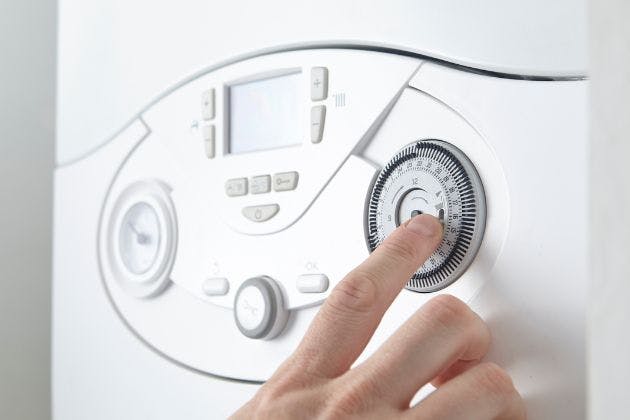
Sometimes the boiler has not failed at all, it is simply not being asked to run. Check your programmer is set to “on” or “auto” with an active heating period, and confirm the time and date are correct. A power cut can reset timings, which makes it look like the heating has suddenly stopped.
If you have smart controls, check the app for errors, lost connection, or a schedule that has been changed. Replace thermostat batteries if it uses them, because low batteries can stop the call for heat. If hot water works but heating does not, controls are a very likely culprit.
Step 6: Check radiators and circulation signs
If the boiler fires briefly and then cuts out, or if you get hot water but the radiators stay cold, circulation issues can be involved. Feel the pipes near the boiler carefully; they may warm slightly, then cool quickly. You might also hear kettling, banging, or whistling, which can suggest air in the system, sludge, or a pump issue.
Homeowners' safe action here is limited. You can bleed a radiator if you are confident, but do it carefully and recheck the pressure afterwards. If multiple radiators are cold, or you suspect sludge, it is time for a professional to diagnose properly.
Step 7: Look for leaks, drips, or pressure loss clues
Check under the boiler, around visible pipe joints, and near radiator valves for signs of water. Even a small leak can cause pressure loss, and a sudden drop can stop the boiler completely. Also, check for stains on ceilings below bathrooms if you have pipework routed between floors.
If you spot any active leaks, switch the boiler off and avoid running it until it is inspected. If pressure is dropping but you cannot see a leak, it could be an internal component such as an expansion vessel or pressure relief valve, which needs an engineer.
Step 8: If you have no hot water and no heating, confirm the gas supply
If your hob is also not working, the issue may be the gas supply rather than the boiler itself. Make sure the gas isolation valve is open and check whether neighbours are affected. If you are on a prepay meter, check you still have credit, as that can cause a sudden stop.
If other gas appliances work fine but the boiler will not ignite, it could be ignition, flame sensing, or internal gas valve issues. Those are not DIY jobs and should be handled by a qualified engineer.
Step 9: Record the fault code and what you have tried
Before you call an engineer, take a quick photo of the display showing the fault code. Write down what happened just before the boiler stopped, for example, pressure reading, any unusual noises, and whether hot water was working earlier. This speeds up diagnosis and can reduce time on site.
If the boiler has an unusual pattern like working for 2 minute,s then stopping, mention that too. Intermittent faults are often easier to solve when the symptoms are described clearly.
Step 10: Know when to stop troubleshooting and call a professional
Stop and call an engineer if the boiler keeps locking out, you cannot restore pressure safely, you suspect a leak, or you have repeated error codes. Also call immediately if you smell gas, have carbon monoxide alarm activation, see scorch marks, or the boiler is making loud or worrying noises. Safety always comes first, and a fast call out can prevent a minor issue turning into a bigger repair.
Need urgent boiler help in Portsmouth, Hampshire and Fareham?
GEO M&E Ltd can diagnose sudden boiler breakdowns safely and restore your heating and hot water with clear advice and proper repair. Call 0239 238 8799 or fill in our contact form to book a visit.