If your air conditioning is running but the room still feels warm, you’re not alone. Many call‑outs for “AC not cooling” come down to a few common issues that you can often identify early with simple checks. By understanding these typical problems, you can save time and avoid unnecessary repair costs. A quick inspection of settings, filters, and outdoor unit airflow can often reveal the cause before it gets worse. Knowing what to look for helps you decide when to call a professional engineer for a thorough diagnosis and safe repair.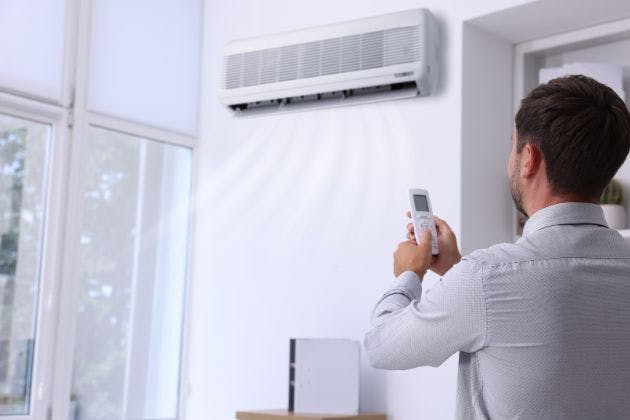
Quick wins in 10 minutes
Before you assume the system has failed, there are a few quick things you can do that fix a surprising number of problems. These checks are safe for most homeowners and small office users.
Confirm the unit is set to cool mode with a lower temperature than the room
Clean or replace blocked air filters
Make sure the outdoor unit has clear airflow around it
Close windows and doors so cooled air is not escaping
If those do not help, work through the nine common causes below. For each one you will see the symptom, likely cause, what you can safely check, and what a professional engineer would test.
1. Incorrect mode or thermostat settings
Symptom: Unit runs but the room stays warm or only slightly cooler.
Likely cause: The controller is set to fan, heat or dehumidify rather than cool, or the set temperature is too high.
Safe check: Check the display shows cool mode. Set the temperature at least 3–4°C below the current room temperature. Make sure the fan is not set to the very lowest speed and that any timers have not switched the system off.
What a professional checks: An engineer will confirm control settings, test the room sensor accuracy and, if needed, inspect the controller or PCB for faults.
2. Dirty or clogged air filters
Symptom: Poor airflow from the indoor unit, uneven cooling, or the unit stops with a warning light.
Likely cause: Dust and debris blocking the return air filters, restricting airflow through the coil.
Safe check: Open the front panel on the indoor unit, slide out the filters and inspect them. Wash reusable filters in lukewarm water, let them dry fully, then refit. If they are damaged, arrange for replacements.
What a professional checks: During servicing, an engineer will measure airflow, clean the coil and fan, and check for mould build‑up that can reduce performance and air quality.
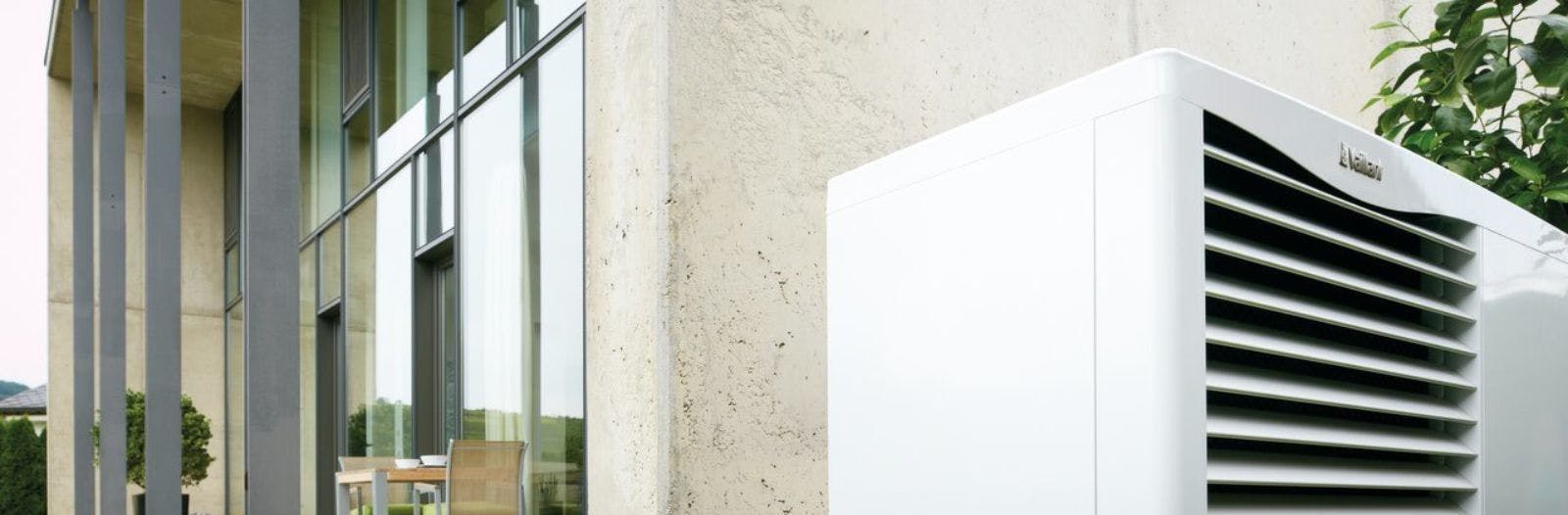
3. Blocked outdoor unit airflow
Symptom: The outdoor unit is very hot, the fan is noisy or struggling, and the cooling indoors.
Likely cause: Leaves, rubbish or tight fencing around the outdoor condenser, stopping hot air from escaping.
Safe check: Clear any debris from around the outdoor unit and give it at least 30–60 cm of space on all sides. Do not cover the top or blow a pressure washer directly into the fins, as they are delicate.
What a professional checks: An engineer will inspect the heat exchanger fins, straighten damaged sections, clean corrosion, and verify that the condenser fan and motor are operating correctly.
4. Iced indoor or outdoor coil
Symptom: Poor or no cooling, visible ice on the indoor unit or pipework, or water dripping when it melts.
Likely cause: Low airflow, low refrigerant, or control issues causing the coil temperature to drop below freezing.
Safe check: Switch the system off and let it thaw completely. Check and clean filters and ensure vents are not blocked by furniture. Once fully defrosted, restart and see if performance improves.
What a professional checks: Engineers will measure refrigerant pressures and temperatures, check superheat/sub‑cool values, confirm fan speeds, and run diagnostics on expansion devices and sensors.
5. Condensate drainage issues
Symptom: Water leaking from the indoor unit, unit shutting down with an error code, or intermittent operation.
Likely cause: Condensate drain tray or pipe blocked with sludge, algae or dirt, so the unit goes into a safety lockout.
Safe check: Look for obvious kinks or disconnections in any visible drain pipe. If your unit has an accessible condensate tray, you may gently clean away surface dirt. Avoid poking hard objects into the drain line, as you may cause damage.
What a professional checks: An engineer will flush and pressure test the drain, clean the tray, check any condensate pump, and ensure the unit is level so water runs off correctly.
6. Failed capacitor or fan
Symptom: Outdoor unit humming but fan not spinning, or fan starting then stopping quickly. Little or no cooling indoors.
Likely cause: A failed start/run capacitor or worn‑out fan motor.
Safe check: You can visually check whether the outdoor fan is rotating when the system should be cooling, but do not attempt to spin it by hand or open electrical covers. Isolate power at the consumer unit if you suspect a fault.
What a professional checks: Engineers will safely test capacitors and motors with appropriate instruments, check electrical connections and insulation resistance, and replace failed components.
7. Low refrigerant due to a leak (F‑Gas rules)
Symptom: Gradual drop in cooling over weeks or months, longer run times, and possible error codes, especially on hot days.
Likely cause: A small refrigerant leak in pipework, joints or coils, leading to incorrect system pressures.
Safe check: There is no safe DIY top‑up. If you suspect low gas, note any patterns (such as only struggling on very hot afternoons) and call an F‑Gas certified engineer.
What a professional checks: Under UK F‑Gas regulations, only certified engineers may handle refrigerant. They will pressure test the system, carry out leak detection, repair leaks where found, evacuate the system and recharge to the correct specification, then record the work for compliance.
8. Sensor faults or control issues
Symptom: Unit stops cooling too early, overshoots, or behaves unpredictably compared to the set temperature.
Likely cause: A faulty room or coil sensor, or a control board problem.
Safe check: Make sure the controller is not sitting in direct sunlight or next to a heat source. If it uses batteries, replace them. Check that the furniture is not blocking airflow around the indoor unit where some sensors sit.
What a professional checks: Engineers will test sensor resistance values, compare them to actual temperatures, check wiring harnesses, and, if needed, update or replace control boards.
9. System too small for the space
Symptom: AC runs constantly on hot days but never reaches the temperature you set, even though filters and coils are clean.
Likely cause: The unit was not correctly sized for the room, or the use of the space has changed with more people, computers or glazing.
Safe check: Notice whether the system has coped better in previous years. If you have added equipment, removed blinds or opened up rooms, the cooling load may now exceed the system’s capacity.
What a professional checks: An engineer will calculate the cooling load, measure actual airflow and supply air temperature, and advise on options such as upgrading equipment, adding additional units or improving insulation and shading.
Coastal locations and corrosion
In coastal areas, salt in the air can speed up corrosion on outdoor units. Fins and casings can deteriorate faster, which reduces heat transfer and shortens system life.
Regular servicing is especially important near the sea. Engineers can clean salt deposits, apply protective coatings where suitable, and spot early signs of corrosion before they cause failures in peak summer conditions.
FAQ: common questions about AC not cooling
Why is my AC blowing but not cold?
If the fan is blowing but the air is not cold, it is often due to incorrect settings, dirty filters, a blocked outdoor unit, low refrigerant or a failed compressor or fan. Work through the safe checks above first.
If those do not help, switch the system off and book an engineer, as running for long periods with a fault can cause extra damage.
Can I run the air conditioning if it is not cooling?
It is usually unwise to keep running an AC that is not cooling properly. If there is a refrigerant leak, iced coil or motor issue, continued use can worsen the problem and increase repair costs.
Use the unit only briefly for testing after basic checks. If cooling does not return quickly, arrange a professional diagnosis.
When to call an engineer
If cleaning filters, correcting settings and clearing space around the outdoor unit do not restore performance, the next step is professional testing. Modern systems need engineer‑led checks on pressures, leak testing, electrical components, deep cleaning and airflow measurements.
For thorough air conditioning servicing and repair, contact GEO M&E Ltd on 02392388799. A qualified heating engineer can diagnose the root cause, advise on the most cost‑effective fix and help keep your system efficient and reliable through the hottest days.
EndFragment