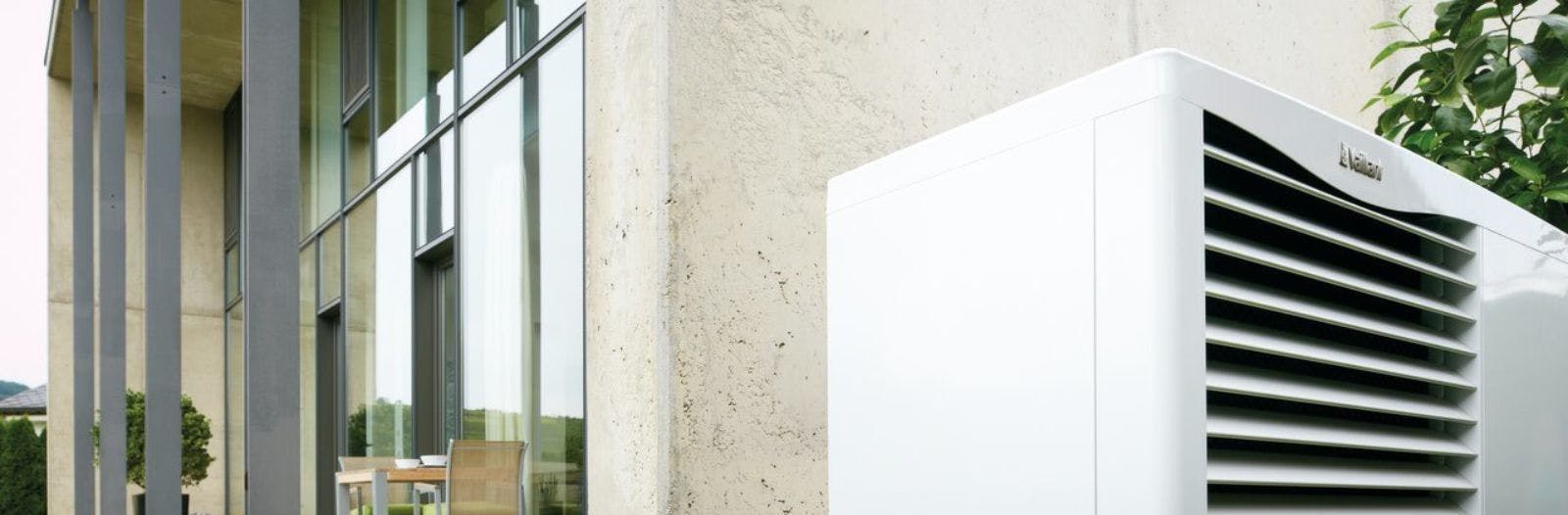
Looking after an air source heat pump is straightforward, but it does need regular care to perform at its best. By carrying out simple routine checks and arranging professional servicing at the right intervals, you can maintain high efficiency, prevent costly breakdowns, and ensure your system meets warranty requirements. Consistent attention helps your heat pump run smoothly year-round, saving energy and keeping your home comfortable, especially in Hampshire’s mild but damp climate.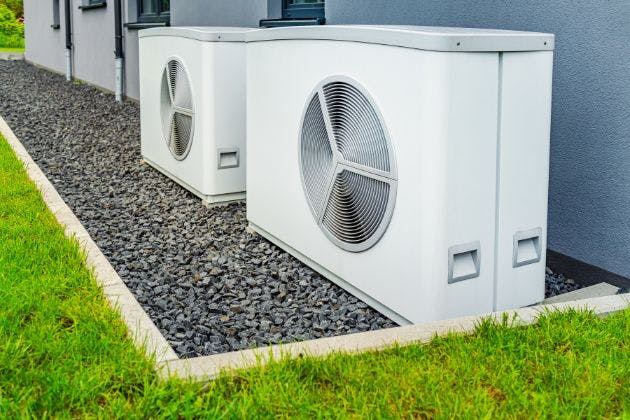
Owner checks you can do safely
Homeowners can carry out basic visual and control checks without touching the refrigerant circuit or internal electrics. Think of these as light housekeeping rather than technical work.
Never remove covers, poke objects into the unit or attempt to top up any gas or fluid yourself. If in doubt, stop and speak to a qualified engineer.
Monthly and quarterly checklist
A quick look round once a month, with a slightly closer check each quarter, will often catch small issues early. Set a reminder on your phone so it becomes routine rather than a chore.
Keep airflow clear: Make sure there are no leaves, rubbish, furniture or plant pots blocking the outdoor unit. Aim for clear space all around and above the unit.
Gentle exterior clean: Use a soft brush to remove leaves, cobwebs and light debris from the casing and grille. Do not use a pressure washer or poke anything through the fins.
Check for unusual noise or vibration: A gentle hum is normal. New rattles, buzzing, grinding or strong vibration can hint at loose panels, fan issues or failing components.
Inspect the condensate drain: Find where the condensate or defrost water leaves the unit and check that the pipe and outlet are not blocked with algae, sludge or ice.
Monitor visible pressure/temperatures: If your system has a visible gauge for system pressure or a display showing flow/return temperatures, note the typical readings during normal operation. Watch for sudden changes or readings in the red zone.
Review controller schedules: Check your programmer or room controls every few months, especially after clock changes. Make sure heating and hot water schedules still match your lifestyle.
If your system has indoor filters that are designed for user cleaning, your manual will explain how to remove and rinse them. Only do this if the manufacturer states it is a homeowner's task.
What to leave to a professional
Certain jobs are not safe or legal for an unqualified person. Anything involving the sealed refrigerant circuit, internal electrical connections or detailed fault finding must be left for a trained engineer.
Do not try to top up refrigerant, open the casing, bypass safety devices or reset errors repeatedly without understanding the cause. This can damage the unit and invalidate warranties.
Annual professional service essentials
An air source heat pump should be serviced at least once a year. In areas like Hampshire, where the climate is mild but often damp, annual servicing helps manage corrosion, drainage and defrost performance.
A typical service will include several checks that go beyond what a homeowner can see or measure. These are important for reliability, efficiency and manufacturer warranty compliance.
Hydronic system, filters and water quality
For systems connected to radiators or underfloor heating, an engineer will inspect the hydronic (water) side of the installation. They will check system pressure, bleed air if needed and confirm that all zones are heating evenly.
Filters and strainers are cleaned or replaced, and system water quality is tested. Poor water chemistry can cause sludge, corrosion and reduced performance, so inhibitors or treatment may be recommended.
Circulation, electrics and controls
Good circulation is crucial for a heat pump to move heat efficiently. The engineer will check pumps, valves and flow rates, and adjust settings where appropriate to improve comfort and efficiency.
They will also carry out electrical safety checks, tighten connections, inspect sensors and verify that control strategies and setpoints are sensible for your property.
When F-Gas certification is required
Any work on the refrigerant circuit, such as leak testing, topping up refrigerant or repairing refrigerant pipework, must be carried out by someone with the appropriate F-Gas qualifications.
This is a legal requirement, and it protects you and the environment from incorrect handling of refrigerants. If your system is losing pressure on the refrigerant side or showing gas-related fault codes, ask specifically for an F-Gas-certified engineer.
Signs maintenance may be overdue
Heat pumps usually give you hints that they are struggling before they fail entirely. Paying attention to these early signs can save energy and avoid bigger repair bills later.
Noticeably higher electricity bills for the same level of comfort
Rooms are taking longer than usual to warm up, even in mild weather
Very frequent defrost cycles, with the outdoor unit icing up heavily
Radiators or underfloor loops are feeling lukewarm rather than properly warm
Repeated error codes or lockouts on the controller
Any burning smells, smoke, persistent tripping of electrical circuits or obvious leaks around the unit should be treated as urgent. Turn the system off and contact an engineer.
Getting ready for a service visit
A bit of preparation makes your engineer’s job easier and helps you get more value from the visit. Most of it is simple common sense.
Make sure the outdoor unit and indoor components are accessible, with clutter moved out of the way. If you have pets, consider how they will be managed while the engineer is on site.
Have any paperwork to hand, including installation documents, previous service reports and warranty information. Make a short list of any issues you have noticed, such as odd noises, cold rooms or changing running costs.
It also helps to note your usual heating and hot water schedules, and any changes you have made to controls. This gives the engineer context for diagnostics and fine-tuning.
Keeping a service record for warranty and resale
Many manufacturers require regular servicing as a condition of their warranty. Keeping clear records is the simplest way to avoid disputes if you ever need to make a claim.
Ask your engineer for a written service report each year and store it with your property documents. Record dates, works completed and any parts replaced or recommendations made.
A good service history can also be helpful if you come to sell your home. Buyers are increasingly aware of low-carbon heating and are reassured to see that the heat pump has been professionally maintained.
Year-round support for Hampshire homes
With Hampshire’s generally mild but often damp conditions, an air source heat pump can perform very efficiently if it is kept clean, well set up and regularly serviced. Routine owner checks and an annual professional visit are usually all it needs.
If you would like expert help keeping your system reliable, efficient and within warranty, GEO M&E Ltd can provide heat pump servicing and repairs tailored to your home. To discuss your system or arrange a visit, call GEO M&E Ltd on 02392388799 or get in touch via their heat pump servicing and repair page.