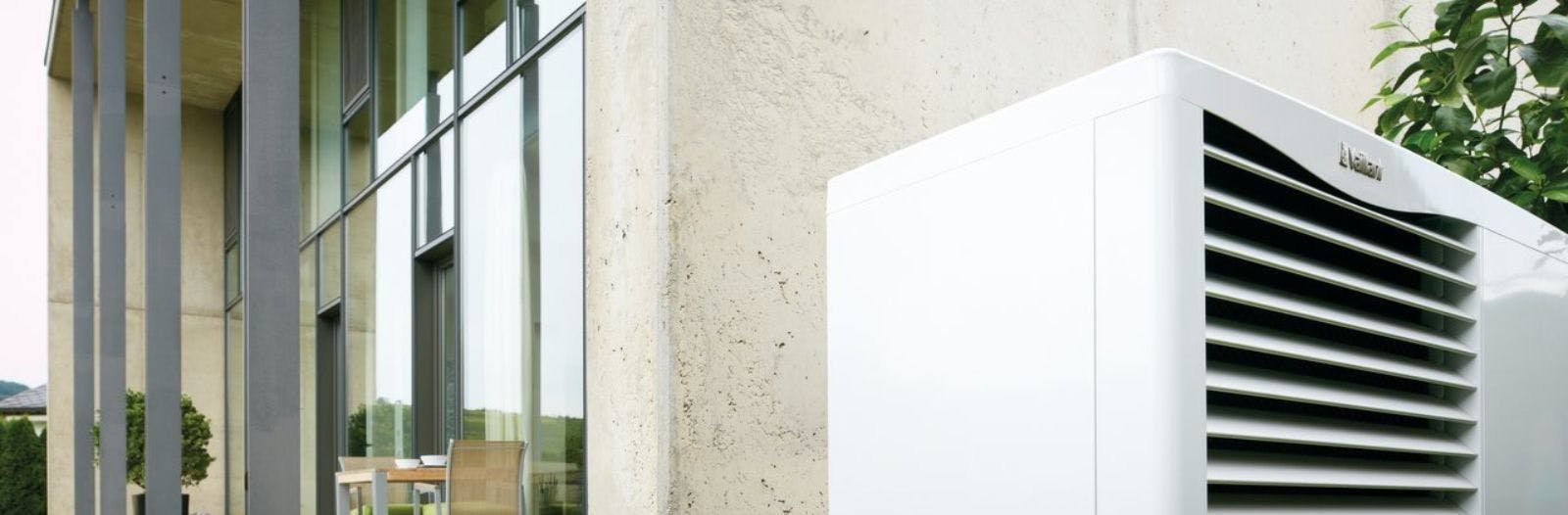
Hybrid heat pump systems combine an electric heat pump with a gas boiler to provide flexible, efficient heating tailored to your home's needs. By switching between the heat pump and the boiler based on outdoor temperatures and heating demand, hybrids optimise energy use and comfort. However, they are not the ideal solution for every property.
It’s important to understand how these systems operate and assess whether they fit your home's specific characteristics—such as insulation levels, radiator size, and hot water needs—before making a decision. Taking the time to evaluate these factors ensures you invest in the most effective heating setup for your home.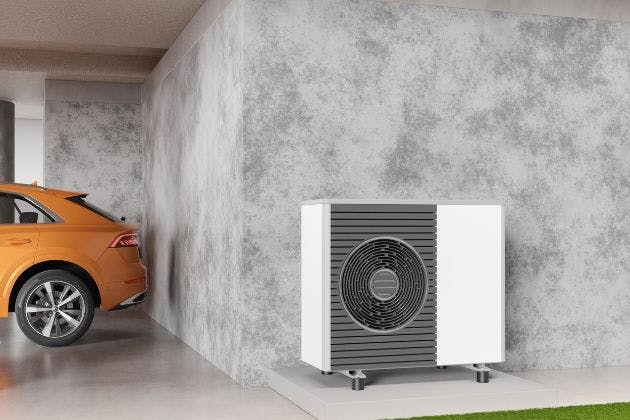
How a hybrid heat pump system actually works
A hybrid system pairs an air source heat pump with a gas boiler, controlled by a smart set of controls. The idea is to let the heat pump do most of the work when it is efficient, and bring the boiler in only when it is genuinely needed.
The controls usually use a temperature point known as the bivalence point. Above this outdoor temperature, the heat pump normally covers all or most of your heating. Below it, the boiler starts to assist or take over, especially on the coldest days.
The boiler often looks after hot water too, using a priority setting so your system focuses on quickly reheating your cylinder when needed. During peak demand, for example in the morning when several showers are running, the boiler can step in to support the heat pump so you do not run short.
Homes that are a good match for hybrid systems
Hybrid heat pump systems can be a strong option for certain types of homes, especially where a full heat pump conversion would be challenging. In these situations, a hybrid can offer lower emissions and better comfort without major disruption.
Older or less insulated homes: Properties with solid walls, single glazing or limited insulation can have higher heat loss, making a pure heat pump system harder to size without big upgrades.
High hot water demand: Busy households with several bathrooms, power showers or frequent baths often benefit from the rapid hot water recovery of a boiler.
Limited radiator upgrades: If you cannot easily enlarge many radiators, a hybrid lets the boiler support the heat pump at peak times, so your existing emitters can still perform.
Space constraints: Where you cannot fit a larger hot water cylinder or buffer tank, keeping the boiler in the mix can make design far simpler.
In these cases, a hybrid system can be a sensible stepping stone, cutting gas use substantially while avoiding a full-scale refurbishment. It also gives you a level of redundancy, because you have two heat sources available if one has a fault.
Homes that may not need a hybrid solution
Not every property benefits from keeping a boiler. Many modern or well-upgraded homes are already ideal for a straightforward heat pump system. In these cases, a hybrid can add cost and complexity without delivering real advantages.
If your home is well insulated, has modern double or triple glazing, and a relatively low heat demand, a correctly sized heat pump can often meet all your heating and hot water needs comfortably. You may not gain much from boiler backup in this scenario.
Underfloor heating (UFH) is also very heat pump friendly, because it runs at lower water temperatures. If most of your home is already on UFH, a pure heat pump system is often the cleanest and most efficient choice, and you might only retain a small backup source if absolutely required.
Key benefits of hybrid heat pump systems
Hybrid systems appeal to many homeowners who like the idea of a heat pump but are nervous about fully giving up their boiler. Used in the right setting, there are several real-world advantages.
Reduced gas use: The heat pump can handle a large share of your annual heating, cutting gas consumption and emissions compared with a boiler-only setup.
Improved comfort in cold snaps: The boiler can support the heat pump in extreme weather so radiators still feel warm and your home heats quickly.
Strong hot water performance: The boiler can prioritise hot water, so multiple showers or back-to-back baths are less of a concern.
Flexible future options: You can rely more on the heat pump as you upgrade insulation or radiators over time, with the potential to remove the boiler later.
Potential drawbacks and common misconceptions
A hybrid setup is not a magic fix for every heating issue. There are trade-offs, and it helps to go in with realistic expectations so you are not disappointed later.
One common misconception is that a hybrid system will always be cheaper to run than either a heat pump or a boiler alone. In reality, running costs depend on your controls, tariffs, property and usage. Poorly set controls can mean the boiler does too much work, undermining efficiency.
Another misunderstanding is that a hybrid avoids the need for any efficiency improvements. In practice, insulation, draught-proofing and emitter checks are still very important. Without them, you may end up relying on the boiler more than planned.
You should also be aware that a hybrid system can be more complex than a simple boiler swap. There are extra components, controls and settings, so quality design and commissioning by a competent installer are essential.
How control strategies shape performance
The key to a successful hybrid system is the control strategy that decides when each heat source runs. Homeowners do not need to know every technical detail, but it helps to understand the basics so you can ask informed questions.
The bivalence point sets the outdoor temperature at which the boiler starts to assist or take over. If this is set too high, your boiler might cut in too often, limiting savings. If it is set too low, you may notice slower warm-up times on very cold days.
Most systems also have a form of weather compensation, adjusting the heat pump’s flow temperature according to outdoor conditions. During peak demand periods, the controls can allow the boiler to top up the system, and most setups will give hot water priority so your cylinder reheats promptly before returning to space heating.
Questions to ask your installer before choosing a hybrid
Whichever route you take, a thorough design process is crucial. Before deciding on a hybrid system, make sure your installer is prepared to look at your whole home, not just replace the boiler like-for-like.
Heat loss and emitters
Ask whether a room-by-room heat loss assessment will be carried out. This calculation underpins the sizing of the heat pump, the boiler back-up role and the appropriate flow temperatures.
You should also request a radiator and emitter survey. The installer should check sizes, outputs and conditions, and explain whether any key rooms will need radiator changes or whether the hybrid approach avoids extensive upgrades.
Controls, flue and system layout
Controls compatibility is another important point. Check how your existing thermostats, smart controls or zoning will tie in with the new hybrid controls, and whether you will manage everything through a single user interface.
Your installer should consider boiler flue routes, condensate pipework and any space required for additional valves, pumps or buffers. Even if you are keeping a boiler, the system still needs to comply with current regulations and good practice standards.
Thinking ahead to a lower gas future
If you are interested in moving away from gas in future, ask how the system can be future-proofed. That might mean sizing the heat pump generously, allowing space for a larger cylinder later, or planning radiator upgrades over time.
A thoughtful hybrid design should make it easier, not harder, to transition to a predominantly electric system if and when you choose to.
Is a hybrid heat pump system right for your home?
Hybrid heat pump systems can be an excellent solution for older or harder-to-upgrade homes, or for busy households that value strong hot water performance and flexible heating. In well-insulated, heat pump-ready properties though, a simple all-electric system is often the cleaner and more efficient choice.
If you are unsure which route suits you, a proper assessment is the best place to start. GEO M&E Ltd is technology-agnostic, working with both heat pumps and gas boilers to design systems around your property and lifestyle, not a single preferred product.
To talk through your options or arrange a suitability survey for a hybrid or standalone heat pump system, contact GEO M&E Ltd on 02392388799. The team will help you weigh up the pros and cons and specify the solution that genuinely fits your home.