If your boiler pressure keeps dropping, you’ll usually notice the pressure gauge slowly creeping down below the recommended level. You might also feel cold patches on some radiators, even when the heating is on full, or find yourself topping up the system with water more often than normal. These signs are frustrating but important—they indicate there’s an issue with your boiler system that needs attention to avoid further problems or breakdowns. Ignoring dropping pressure can lead to inefficient heating, higher energy bills, and potential damage to your boiler, so it’s best to act promptly.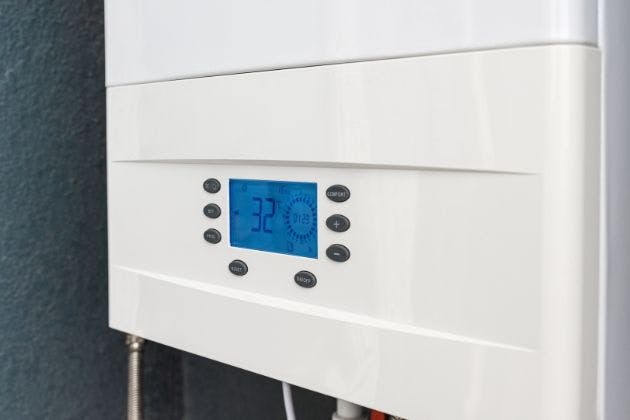
What you will notice when the boiler pressure is low
The most obvious sign is the pressure gauge sitting below the normal “green” range when the system is cold, often under 1.0 bar. Some boilers will show an error code or refuse to fire when the pressure is too low.
Around the home, you may notice radiators taking longer to heat, cold areas at the top of radiators, or the heating cutting out unexpectedly. If the problem is ongoing, you might also see damp patches on ceilings or around pipework.
Safety first: if you smell gas, see water near electrical parts, or simply feel unsure, switch the boiler off and contact a Gas Safe registered engineer straight away. Do not try to dismantle anything inside the boiler casing yourself.
Common causes of dropping boiler pressure
There are several typical reasons a domestic boiler keeps losing pressure. Some are simple and safe to check visually, while others need a professional to diagnose properly.
Small leaks on pipework, radiators or valves
Minor leaks are one of the most frequent causes of falling pressure. The leak might be so small that water evaporates quickly, so you never see a puddle.
Look carefully around exposed pipework, radiator valves, towel rails and any joints you can see. Pay attention to stained or flaking paint, rust marks, or green/white crust on copper fittings, which can show a slow drip.
Check under radiators for damp patches or swollen skirting boards
Run a hand (carefully) around valves and joints to feel for moisture
Look at ceilings under upstairs pipe runs for fresh water marks
Recent radiator bleeding
If you have recently bled air from your radiators, some pressure loss is normal. Bleeding lets air out, but it also allows a little water out, which drops the system pressure.
After bleeding radiators, you usually need to top up the boiler back to its normal cold pressure range. If the pressure only dropped once after bleeding and then stayed steady, it is unlikely there is an underlying fault.
Pressure relief valve (PRV) discharging
The pressure relief valve is a safety device that releases water if the system pressure gets too high. The outlet pipe usually runs from the boiler to an outside wall, often in copper, pointing downwards.
Go outside and check the pipe end when the heating has been running for a while. If it is dripping or you see a wet patch or limescale staining below, the PRV may be passing water, slowly reducing pressure.
Expansion vessel issues
The expansion vessel absorbs the natural expansion of water as it heats up. If the vessel fails or loses its air charge, the system pressure can swing up and down instead of staying fairly stable.
Common symptoms include the pressure climbing high when the heating is on, then dropping too low when it cools, often triggering the relief valve to discharge. This usually needs a Gas Safe engineer to test and either recharge or replace the vessel.
Filling loop left slightly open
The filling loop is used to top up system pressure using mains water. On many boilers, it has one or two small taps or levers. These should be fully closed when you are not topping up.
If a filling loop tap is left even slightly open, the system pressure may rise too high when heating, then the PRV dumps water, after which the pressure falls again. This cycle can cause ongoing pressure trouble and strain the boiler.
Air within the system
Air can find its way into the system through small leaks, recent repairs, or corrosion. It tends to collect in high spots, such as the tops of radiators and towel rails.
As air moves around, it can create gurgling noises, cold tops of radiators, and pressure fluctuations. While occasional bleeding can help, recurring air problems suggest an underlying issue that needs investigation.
Step-by-step checklist for falling boiler pressure
Use this simple checklist as a structured way to respond if your boiler pressure keeps dropping. Only carry out steps you feel safe and confident doing.
Check for visible leaks on exposed pipework, radiators, valves and around the boiler. Note any damp spots, stains or corrosion.
Check the PRV outlet pipe outside for signs of recent dripping, limescale marks or damp ground directly beneath it.
Top up the pressure using the filling loop to the range stated in your boiler manual, usually around 1.0 to 1.5 bar when cold.
Monitor for 24 to 48 hours with both heating and hot water in normal use, noting how quickly the pressure falls and any new signs of leakage.
Book professional diagnosis if the pressure continues to drop, the PRV is discharging, or you suspect an internal or concealed leak.
What not to do when your boiler pressure keeps dropping
Constantly topping up the boiler every day or two might keep the heating running in the short term, but it masks the real fault. Regular fresh water top-ups also add oxygen to the system, which can speed up corrosion.
Do not remove the boiler case or tamper with internal components, gas valves or electrical parts. Working inside the boiler must be left to a Gas Safe registered engineer for your safety and to protect your warranty.
Avoid adding leak sealant or chemicals without professional advice, as these can cause blockages or affect boiler components if used incorrectly.
Frequently asked questions about dropping boiler pressure
Is it safe to keep repressurising my boiler?
Occasional repressurising after bleeding radiators is normal. If you have to top up more than every few months, there is usually a fault that needs attention.
Keeping the system going by topping up every day or week is not recommended, as it can damage components over time and may hide a leak.
What pressure should my boiler be at?
Most modern boilers are designed to sit around 1.0 to 1.5 bar when the system is cold, rising a little as it heats up. Your boiler manual will give the exact recommended range.
If the pressure is regularly dropping below 1.0 bar when cold, or shooting up towards the red zone when hot, ask an engineer to take a look.
Can a boiler lose pressure without a visible leak?
Yes. Leaks can be hidden within walls, under floors, or in the boiler itself. A passing PRV or failed expansion vessel can also lose pressure without obvious water on show.
A Gas Safe engineer can carry out tests to pinpoint the cause, including checking internal components and, if needed, using leak detection methods on the pipework.
Should I switch the boiler off if the pressure is low?
If the pressure is very low, or the boiler is showing a low-pressure fault, it is usually safest to switch it off and repressurise to the correct level before using it again.
If you are unsure how to do this, or the pressure keeps dropping straight away, leave it off and call an engineer for guidance.
Professional help for boiler pressure problems in Portsmouth & Hampshire
If your boiler pressure keeps dropping and you are in Portsmouth or across Hampshire, it is worth getting a professional diagnosis rather than repeatedly topping up. A proper check looks for leaks, tests the expansion vessel, and confirms the PRV and other safety devices are working correctly.
GEO M&E Ltd are Gas Safe registered and focuses on finding and fixing the root cause of boiler pressure issues, not just repressurising and walking away. For thorough boiler servicing and repair, call GEO M&E Ltd on 02392388799 to book an appointment and get your heating system back to reliable, efficient operation.